Dacia Dokker Camper 2026 : Dacia is quietly reshaping the camper‑van scene with the 2026 Dokker Camper, a compact, no‑frills motorhome built on the proven Dokker van platform and aimed squarely at budget‑conscious travelers.
While the Dokker has long been a workhorse in Europe, the 2026 camper version is now drawing attention in the United States as an affordable alternative to big, expensive RVs and high‑end conversions.
With its small footprint, efficient engines, and clever interior layout, the Dokker Camper positions itself as an entry‑level vanlife solution for couples, solo adventurers, and families who want freedom on the road without the luxury‑van price tag.
Compact size, big practicality
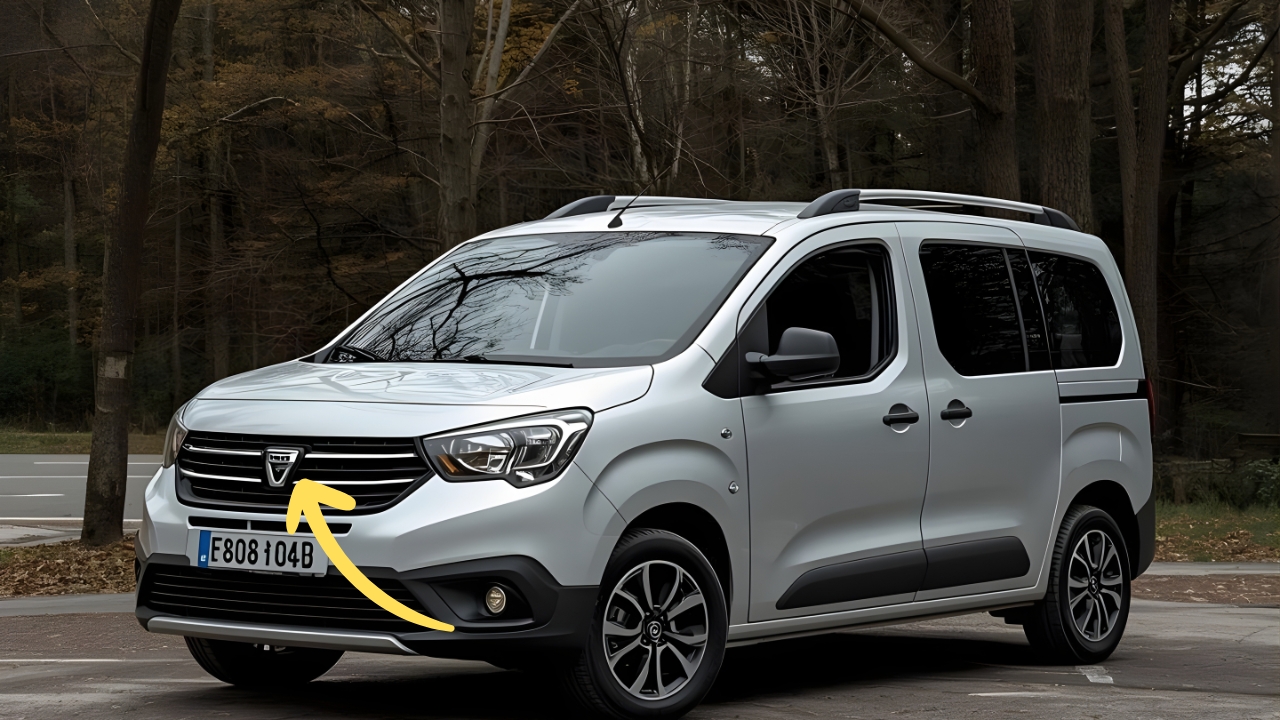
The 2026 Dokker Camper is based on the standard Dacia Dokker, a compact MPV/van that measures around 4.4 meters in length and about 1.8 meters in width, making it easy to drive and park in cities and campgrounds.
That small size also helps keep weight and fuel consumption low, which is a big plus for long‑distance road‑trip buyers.
Despite its modest dimensions, the camper conversion manages to pack in seating for four to five people and sleeping space for two to three, depending on the layout and optional rooftop tent.
Exterior styling stays simple and functional, with clean lines, sliding side doors, and roof‑rack provisions that hint at its adventure‑ready role.
Some 2026 versions add subtle camper‑specific touches such as awning brackets, extra roof rails, and upgraded wheels, but the overall look remains understated rather than flashy.
That low‑key appearance helps the Dokker Camper blend in at grocery stores, parking lots, and campsites, while still giving owners the flexibility to head off the beaten path.
Interior: Smart, simple, and surprisingly livable
Inside, the 2026 Dokker Camper focuses on usability over luxury, with a modular interior that can switch between daily‑driving mode and weekend‑camping setup.
The rear area typically features a fold‑out bed or convertible bench‑to‑bed configuration, with a foam mattress sized around 190 x 120 cm, enough for two adults to sleep comfortably.
An optional rooftop tent can be added for extra sleeping capacity, turning the Dokker into a three‑person micro‑motorhome without major structural changes.
The camper layout usually includes a compact kitchenette with a portable gas burner, a small stainless‑steel sink, and a 25–30‑liter refrigerator, giving owners basic cooking and food‑storage capability.
A small water tank (around 25 liters) supplies the sink, while a hidden chemical toilet is stowed behind a central drawer, keeping the interior tidy when not in use.
Clever storage solutions—under‑bed bins, overhead shelves, and rear‑mounted drawers—maximize the limited space, making the Dokker feel more organized than its size might suggest.
Powertrains, efficiency, and on‑road behavior
The Dokker Camper is typically offered with a pair of efficient, front‑wheel‑drive powertrains: a 1.5‑liter BlueDCi diesel producing about 95 horsepower and a 1.3‑liter TCe petrol engine with around 130 horsepower.
Both are mated to a six‑speed manual gearbox, keeping the mechanical setup simple and cost‑effective while delivering decent fuel economy in the range of roughly 5.0–6.5 liters per 100 km (about 35–47 mpg).
That efficiency is a major selling point for buyers who plan frequent road trips or extended camping stints.
Driving the 2026 Dokker Camper feels closer to a compact MPV than a full‑sized RV, with light steering, a relatively soft ride, and easy maneuverability in tight spaces.
While it lacks the power and presence of larger motorhomes, the Dokker’s smaller dimensions and lower weight make it more comfortable on winding roads and easier to park at campsites or city streets.
Some newer 4×4‑oriented versions are also being unveiled, aimed at buyers who want a bit more off‑road capability without stepping up to a full‑size adventure van.
Tech, safety, and the U.S. angle
Tech in the Dokker Camper stays modest but functional, with a 7‑inch touchscreen infotainment system that supports Apple CarPlay and Android Auto, plus USB ports and basic connectivity features.
Higher‑spec or 4×4‑focused variants can add extras such as cruise control, larger screens, and optional Wi‑Fi hotspots, bringing the van closer to modern expectations without inflating the price.
Safety is anchored by essentials like ABS, electronic stability control, multiple airbags, and hill‑start assist, which are important for a vehicle that may spend long hours on highways and rural roads.
In the United States, the Dokker Camper is not yet an official factory‑imported model, but it is gaining traction through niche dealers and gray‑market or conversion‑focused importers.
Estimated U.S. pricing for 2026‑style Dokker Campers often falls in the rough range of about 22,000–26,000 dollars, depending on engine choice, conversion level, and local taxes.
That figure positions the Dokker as one of the most affordable new camper‑van options on the market, especially when compared with larger European‑style motorhomes or American Class‑B RVs.
Dacia Dokker Camper 2026
The 2026 Dacia Dokker Camper is a compact, budget‑oriented camper van that trades luxury for practicality, efficiency, and real‑world usability.
With its small footprint, simple interior layout, and low‑running‑cost engines, it offers an accessible gateway into vanlife for buyers who don’t want to spend six figures on a fully loaded RV.
Also Read This : 2026 Mini Cooper New look Advance Technology Features with 228Hp Powerful Engine
While it may not suit large families or those who demand full‑size amenities, the Dokker Camper makes a strong case as a nimble, affordable adventure partner for couples, solo travelers, and weekend‑camping enthusiasts looking to explore the U.S. on a realistic budget.